

Why a Small Roof Problem Rarely Stays Small
For homeowners in Fairport, NY, roof damage can worsen quietly between seasons. A lifted shingle, cracked flashing seal, or small ceiling stain may seem manageable at first, but moisture often travels beyond the visible area before it becomes obvious.
The true cost of ignoring a roof problem includes more than the eventual repair bill. It can involve damaged insulation, deteriorated wood, mold growth, ruined belongings, higher heating costs, and repairs to ceilings or walls. The longer water enters the building, the more parts of the home may be affected.
Roof problems also tend to worsen during periods of heavy rain, snow, ice, wind, and repeated freezing and thawing. A defect that appears minor during mild weather can become a source of active leakage during the next major storm.
What happens after water gets under the roof?
Water rarely moves straight down. It can travel along roof decking, rafters, insulation, wiring, and wall cavities before appearing as a stain indoors. This makes the location of an interior mark an unreliable guide to the original entry point.
Common progression includes:
- Damp roof decking that begins to soften
- Wet insulation that loses effectiveness
- Discolored or weakened ceiling materials
- Peeling paint and damaged drywall
- Musty odors caused by trapped moisture
- Deteriorating framing around roof penetrations
- Damage to electrical components in affected areas
A ceiling stain may dry after a storm, but drying does not necessarily mean the underlying problem has ended. Moisture may remain inside insulation or wood where it cannot be seen.
How much can delayed roof maintenance really cost?
The price varies widely because roof damage is affected by the size of the leak, the duration of exposure, the materials involved, and whether the problem reaches finished living space. A localized repair may remain limited if addressed early. Delayed repairs can require several separate forms of work.
Potential cost categories include:
1. Roof covering repairs: Missing shingles, damaged membrane, exposed fasteners, or failed sealant may need correction.
2. Underlying wood replacement: Roof decking can warp, soften, or lose structural strength after repeated wetting.
3. Interior restoration: Drywall, paint, trim, flooring, and insulation may need removal and replacement.
4. Mold and moisture treatment: Persistent dampness can create conditions for microbial growth, especially in poorly ventilated spaces.
5. Personal property loss: Water can damage furniture, clothing, documents, electronics, and stored household items.
6. Energy costs: Wet insulation performs poorly, while damaged air-sealing can make rooms harder to heat.
7. Emergency work: A leak discovered during a storm or winter event may require immediate temporary protection before permanent repairs are possible.
The most expensive part is often not the original roof defect. It is the chain of secondary damage that develops after water is allowed to remain.
Which roof problems deserve prompt attention?
Some conditions should not be treated as routine cosmetic maintenance. Active leaking, exposed underlayment, sagging roof areas, and damage near electrical fixtures require prompt attention.
Warning signs include:
- Water stains that grow or reappear
- Dripping or dampness in an attic
- Shingles found in the yard after high winds
- Curled, cracked, blistered, or missing shingles
- Rusted or separated flashing around chimneys, vents, or wall intersections
- Sagging roof lines or soft spots
- Granules collecting in gutters or downspout outlets
- Daylight visible through the roof deck
- Persistent attic odors or unusually damp insulation
A roof does not need to be actively dripping to be failing. Slow moisture entry can cause substantial damage before the first visible drop reaches a room below.
Why are local seasonal conditions hard on roofs?
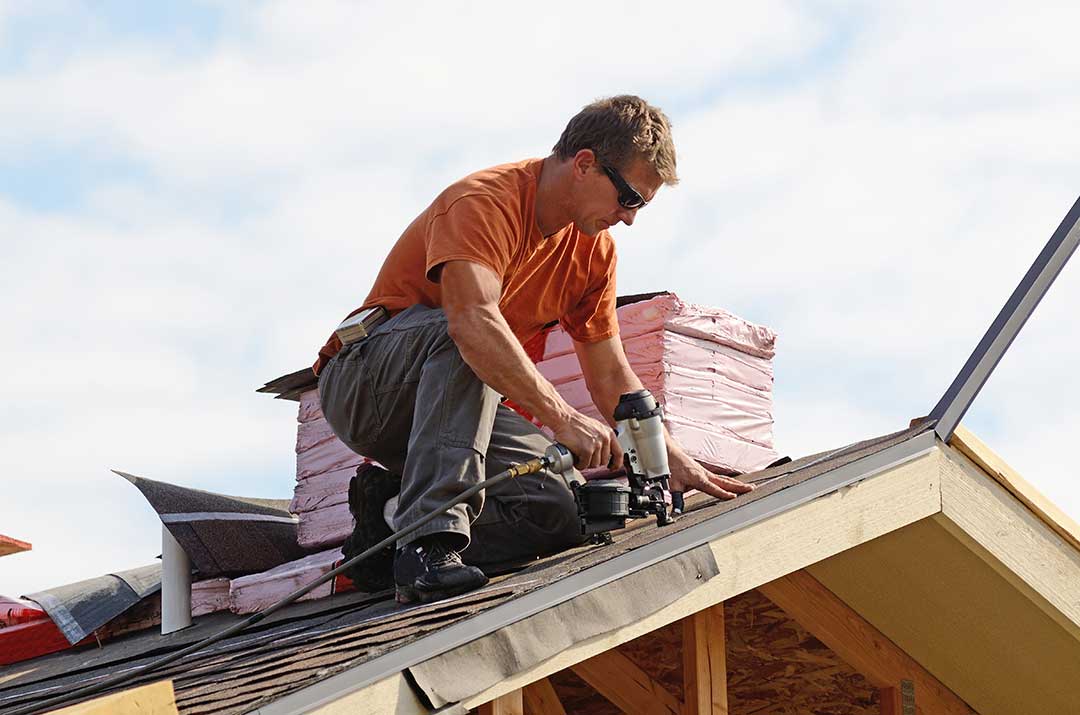
The Fairport, NY area experiences seasonal changes that repeatedly stress roofing materials and roof drainage systems. Snow accumulation adds weight, while ice can form near colder roof edges and interfere with drainage. Freeze-thaw cycles can enlarge small cracks as trapped water expands and contracts.
Spring often reveals problems that developed during winter. Wind may loosen shingles, ice may damage flashing, and blocked or overwhelmed drainage paths can direct water toward roof edges and wall assemblies.
Summer heat can also affect aging materials. Repeated expansion and contraction may weaken seals around vents and other penetrations. Heavy rainfall can then expose defects that were not visible during dry weather.
These conditions do not mean every roof requires replacement. They do mean that small defects should be evaluated before another season adds stress.
Can homeowners safely inspect a roof themselves?
Basic observation from the ground and from accessible interior areas is generally safer than climbing onto a roof. A homeowner can look for missing shingles, sagging areas, damaged flashing, overflowing gutters, and stains in attic spaces.
Roof surfaces become especially hazardous when wet, icy, steep, or covered with debris. Walking on roofing can also cause additional damage to brittle shingles or weak areas.
A cautious inspection may include:
- Looking at roof slopes from the ground
- Checking attic areas for damp insulation or daylight
- Examining ceilings and upper walls for new stains
- Checking whether gutters contain unusual amounts of shingle granules
- Noting changes after rain, wind, or snow
- Photographing visible damage for records and insurance communication
Electrical hazards, structural concerns, active leaks near fixtures, and unstable roof areas require qualified assistance because the risk extends beyond ordinary maintenance.
Does homeowners insurance cover ignored roof damage?
Insurance coverage depends on the policy, the cause of damage, and whether the condition is considered sudden, accidental, gradual, or related to poor maintenance. A storm-related event may be treated differently from long-term deterioration, repeated leakage, or neglected repairs.
Documentation can help establish what happened and when. Useful records may include dated photographs, notes about weather events, copies of inspection findings, and evidence of previous maintenance.
Homeowners should avoid assuming that a covered roof repair also means every interior consequence will be covered. Policies differ, and exclusions may apply to mold, wear, neglect, or certain types of water damage. Reading the policy and reporting significant damage promptly can help clarify the next steps.
What is the practical lesson?
Ignoring a roof problem does not eliminate the cost; it often transfers the cost from a limited exterior repair to a larger building repair. Early attention is especially valuable when a defect appears after wind, heavy precipitation, ice, or a freeze-thaw period.
The most useful approach is to distinguish between a minor visual issue and evidence that water, structural weakness, or unsafe conditions are present. A roof that looks acceptable from the street may still have concealed damage in its flashing, decking, attic insulation, or wall assemblies. Regular observation, prompt documentation, and timely action can prevent a small roofing defect from becoming a household-wide repair problem.
