
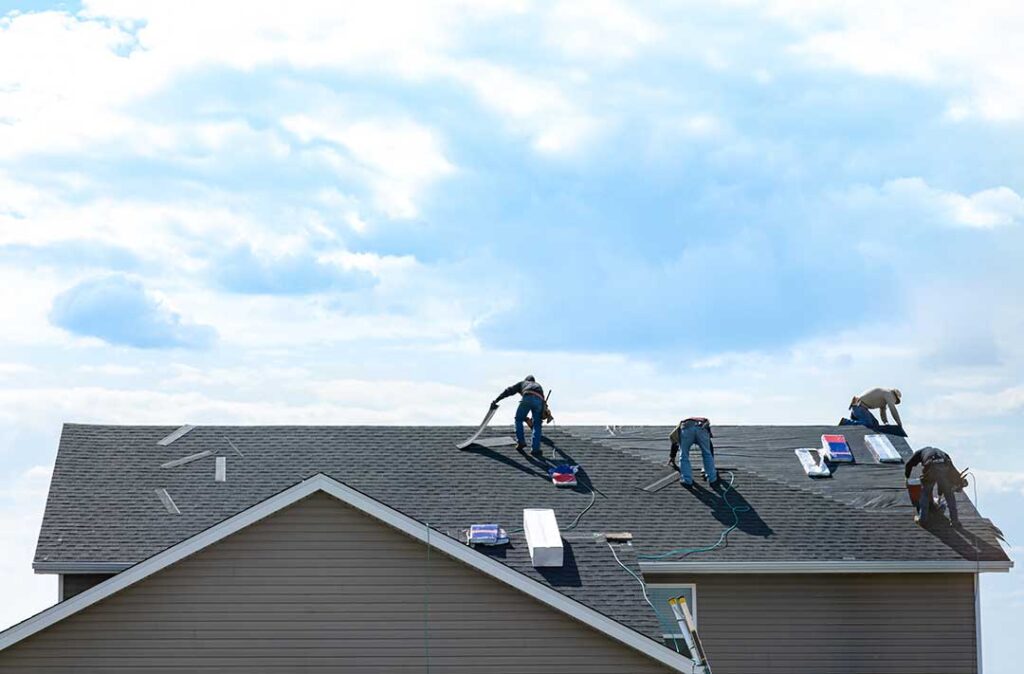
What Causes Shingle Curling and Cracking?
Shingle curling and cracking are common signs of roof aging, seen frequently in the region due to its seasonal shifts. Curling occurs when the edges of asphalt shingles lift away from the roof, while cracking presents as visible splits on the surface. Both issues can be caused by several factors, often acting together over time.
Locally, weather is a major influence. The cold winters and hot, sunny summers in Fairport can make roofing materials expand and contract. This repeated cycle puts stress on the shingles. Poor attic ventilation, common in older homes, can cause heat buildup that accelerates deterioration from beneath. Moisture issues, from heavy rain or improper drainage, also contribute by weakening the shingle structure.
Other frequent causes include:
- Advanced age of roofing materials
- Installation over old shingles (a past common practice)
- Substandard material quality or workmanship
If damage appears years before a roof’s expected lifespan is up, it could suggest attic ventilation or installation problems, rather than simple material wear.
How Can Area Residents Spot Curling or Cracking Early?
The easiest way for residents to detect these issues is with routine visual inspection, ideally from the ground or with binoculars. Shingles in distress often show:
- Edges lifted or cupped upward instead of lying flat
- Noticeable horizontal or vertical cracks
- Spots where shingles look misshaped, wavy, or brittle compared to surrounding areas
Often, sections facing south or southwest—those with the most sunlight exposure—begin to curl and crack first in this region. After storms or during seasonal transitions, it’s worthwhile to walk the perimeter of your home and scan the roof for irregularities.
Inside the attic, daylight shining through boards or the presence of damp insulation might indirectly hint at overhead curling or cracking. Any early leaks or subtle stains on ceilings could also be a side effect of these problems.
Are Shingle Curling and Cracking a Safety Hazard or an Aesthetic Issue?
These problems are more than just cosmetic. While curling and cracking may start harmlessly, they expose the underlying layers of the roof to rain, snow, and wind-driven debris.
In Fairport’s climate, water seeping beneath curled or cracked shingles in fall can freeze during winter, expanding and worsening gaps. Over time, this damages the roof deck itself and can create leaks, encourage mold in the attic, or affect insulation performance. The longer shingles are left compromised, the greater the risk of interior water damage, especially during heavy rainfalls or sudden thaws.
What Should Homeowners Do If They Find Curling or Cracked Shingles?
Minor curling or isolated cracks can sometimes be managed with practical patching or resealing, but homeowners should act quickly.
For small sections:
- Secure loose shingles using roofing cement or adhesive, pressing edges flat if still flexible.
- Replace individual shingles that are severely cracked, broken, or missing granules.
- Check the attic to ensure there’s no trapped heat or moisture worsening the problem.
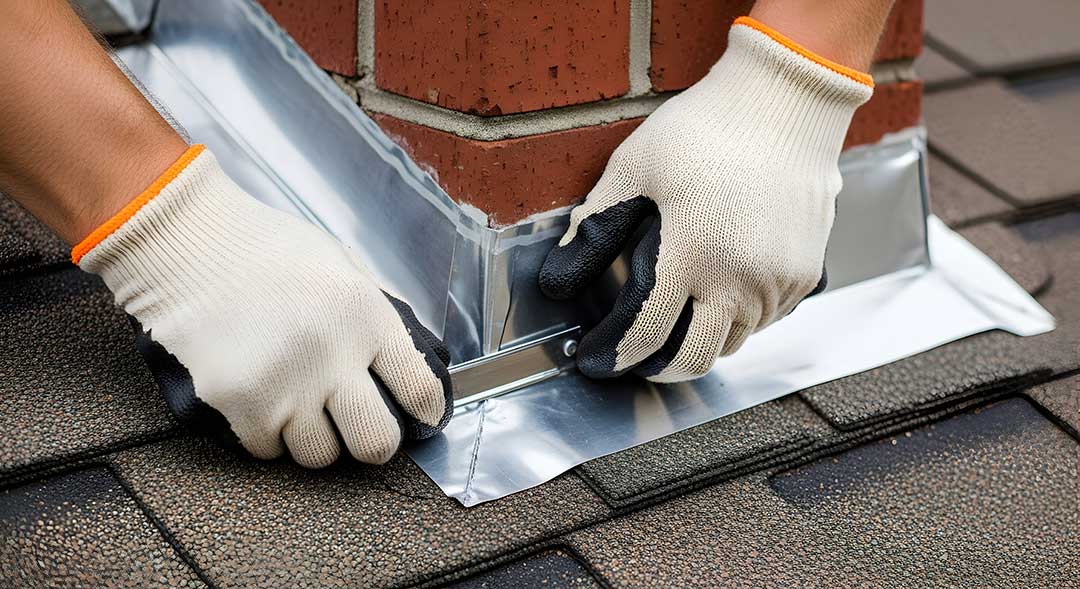
When damage is widespread or covers entire slopes, it usually indicates aging materials or ventilation issues. In these situations, surface repairs may only offer a temporary fix.
If climbing onto the roof is required, residents should be cautious. The risk of slipping or causing more shingle damage is high, especially on steeper roofs or during icy or wet weather. For safety, elevated or extensive repairs typically call for professional support familiar with local building codes and seasonal roofing risks.
How Can Local Residents Prevent Curling and Cracking?
Prevention is possible and often linked to proactive home maintenance. Key steps include:
- Keeping gutters and downspouts clear so water exits the roof effectively
- Ensuring attic vents aren’t blocked by insulation or debris
- Monitoring for ice dams after winter storms, which can allow water to back up beneath shingles
- Replacing aging or curling shingles promptly to avoid water intrusion
In older Fairport homes, consider checking insulation and ventilation each spring and fall. Well-ventilated attics let excess moisture and heat escape, easing the temperature stress on shingles year-round. Routine professional inspections every few years—especially after major storms—can identify vulnerabilities before trouble starts.
Are There Any Misconceptions About Roof Shingle Curling and Cracking?
Local homeowners may sometimes believe that curling or cracking is “normal” after many winters and summers, or that patching one spot always solves the issue. While some wear is inevitable, an otherwise healthy shingle shouldn’t curl or crack within 10-15 years of installation.
It’s also a misconception that all shingle issues need a full reroof right away. Targeted repair is possible—especially for isolated curling or minor cracks—but knowing when patching will buy time versus when replacement is smart for the long term is important. Ignoring recurrent or wide-scale damage means risking deeper water penetration and, later, a more expensive repair.
Every home may show problems differently based on roof age, design, and how well the attic handles the region’s hot summers and cold, snowy winters.
