
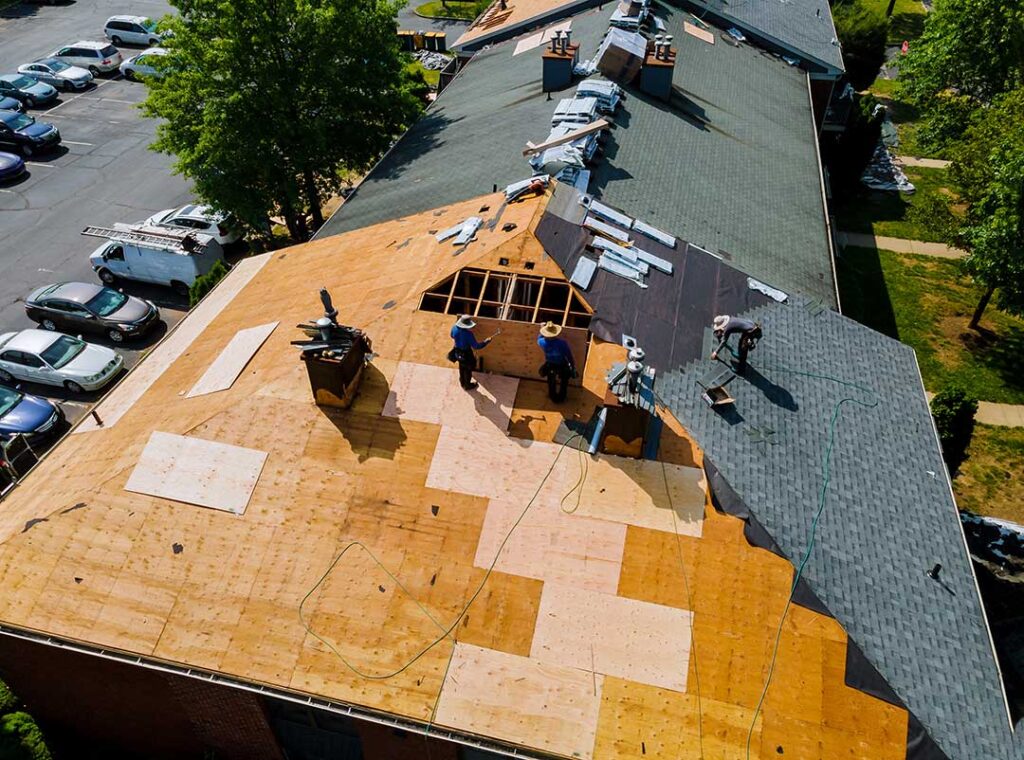
What Should Residents of Fairport, NY Look For in a Roofing Contractor?
The right contractor brings peace of mind throughout repair or replacement projects, especially given the region’s freeze/thaw cycles and mixed housing stock. In Fairport, homeowners should focus on credentials, local track record, and communication.
Unlike regions with milder weather, area roofs experience heavy snowfall, winter ice, and humid summers. These conditions make experience with local architectural styles and climate-specific materials essential. Look for contractors who can clearly explain how they address ventilation, ice dam prevention, and storm resilience for structures common in the area, such as older colonials, ranch homes, and split-levels.
Credentials matter, but so does familiarity with the city's building codes and inspection routines. Being able to interpret a permit process or respond to local municipal requirements can prevent delays or do-overs.
How Can You Evaluate a Contractor’s Reputation?
A contractor’s reputation forms the best indicator of likely performance. Start with direct recommendations from neighbors, local friends, or community groups, as these provide insights tailored to the types of roofs and projects seen in Fairport.
For further vetting:
- Check reviews for patterns—both positive and negative—rather than focusing on ratings alone.
- See if the contractor has recently finished projects in your neighborhood; visible local work is often more relevant than years of distant experience.
- Look for photos or explanations of past work on homes similar to yours.
- Ask about follow-up service and responsiveness after heavy snow, autumn windstorms, or spring thawing—events that affect area homes most.
Misconceptions sometimes arise from assuming national chains always offer better service. In reality, a contractor’s experience with the city’s unique climate and permitting processes is more valuable.
What Questions Should You Ask During an Interview?
During initial conversations, take the lead by asking direct, locally-relevant questions. Doing so helps clarify whether the contractor’s approach matches the area’s needs and your own comfort level.
Key discussion points include:
- How do you handle roof deck inspections during winter or wet weather?
- What is your protocol for checking attic ventilation to prevent ice dams?
- Can you explain warranties on both materials and workmanship?
- How do you adjust timelines if weather causes delays?
- Are you fully insured to cover both worker injuries and potential residential property damage?
It’s useful to avoid yes-or-no questions. Ask for examples of how previous local projects were handled during heavy snowfall or persistent spring rain, as these scenarios are regular in the city.
Why Is Insurance and Licensing Essential?
Insurance and the proper licensing aren’t technicalities—they're basic protections for both parties. A licensed contractor will comply with city permitting standards and ensure that any subs involved are covered too.
For residents, this means:
- Protection against medical claims if an injury happens onsite
- Safeguards for property damage during tear-offs, equipment movement, or material delivery
- Assurance that the work won’t halt due to regulatory problems during city inspections
Ask for proof of insurance and verify that it covers residential roofing. Local licenses can be checked through municipal code offices if you feel uncertain.
How Do Timing and Weather Affect Local Roofing Projects?
Roofing timelines in Fairport depend on the season, with spring and late summer being peak times. Weather interruptions are common, especially during fall wind events or winter ice storms.
A knowledgeable contractor will:
- Carefully plan start dates around local weather forecasts
- Offer realistic timelines that build in extra days for unexpected rain or wind
- Avoid shortcuts in colder months, such as partial shingle sealing, which can reduce longevity
Pressuring crews to work through risky weather can compromise quality. Trustworthy contractors may reschedule when conditions threaten the result—a mark of professionalism, not delay.
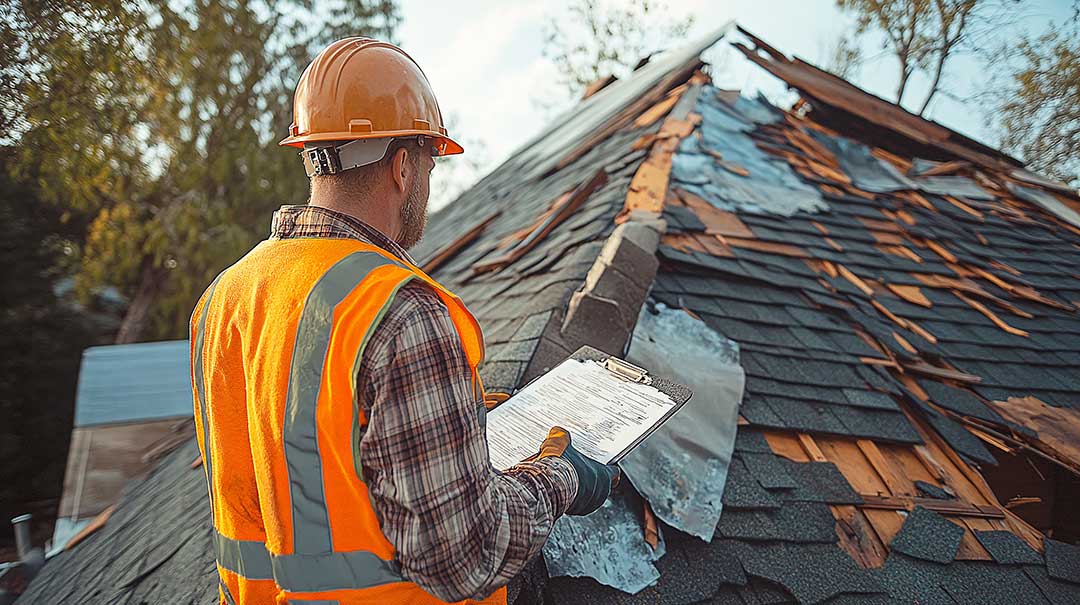
What Red Flags Suggest a Contractor Is Not the Right Choice?
Several warning signs may indicate reliability concerns:
- Requests for large, upfront deposits before any supplies are delivered
- Vague or incomplete written estimates
- Reluctance to provide evidence of insurance or licenses
- Poor communication about project status or changes
- Absence of local references or unwillingness to explain deviations from standard processes
Some residents overlook details like manufacturer certifications, assuming skill is universal. Yet, certifications can indicate up-to-date training on newer materials, which perform better during regional freeze-thaw cycles.
Are Written Estimates and Contracts Necessary?
Written estimates and contracts protect both sides by setting expectations. In Fairport, where weather or hidden roof damage can affect costs, clarity up front goes a long way.
A precise contract should outline:
- The full scope of work, including underlayment, flashing, and ventilation
- Brand and type of materials
- Estimated timeline and payment schedule tied to completed progress, not arbitrary dates
- Procedures for addressing surprises, such as finding rotten sheathing or failing insulation
Too often, misunderstandings stem from skimpy documentation rather than malice. Insist on thoroughness before anyone steps onto the roof.
What Common Mistakes Should Homeowners Avoid During Selection?
Common errors among local homeowners include assuming all roofs are alike or selecting solely on price. Here are points to remember:
- Old, patched-over shingles on colonial homes may need complete removal, not just repair
- Choosing an out-of-town firm based on advertising, when they may lack experience with local snow loads or wind patterns
- Ignoring attic moisture levels, even in newer properties, which can reduce warranty coverage if not addressed during installation
Residents can set themselves up for success by combining neighborhood insights, thorough documentation, and a focus on weather-appropriate techniques.
