

Why fall roof maintenance matters in Fairport, NY
Fall roof maintenance helps identify small problems before freezing temperatures, snow, and ice make them harder to manage. In this area, roofs commonly face falling leaves, damp conditions, strong winds, repeated freeze-thaw cycles, and heavy winter precipitation.
A roof does not need to look seriously damaged to have a developing problem. A lifted shingle, clogged gutter, loose flashing, or blocked attic vent can allow moisture to enter gradually. Early inspection and basic seasonal upkeep can reduce the risk of interior staining, ice-related damage, and emergency repairs during winter.
What should homeowners inspect from the ground?
A ground-level inspection is a useful first step and avoids the risks of climbing onto a wet or steep roof. Use binoculars if needed, and look for changes that were not present in spring or summer.
Check for:
- Shingles that are missing, cracked, curled, blistered, or visibly lifted
- Dark areas that may indicate moisture beneath the roofing surface
- Sagging along the roofline or near the eaves
- Exposed underlayment, roof decking, or fasteners
- Loose or damaged metal around chimneys, vents, skylights, and roof edges
- Granules collecting heavily beneath downspouts
- Branches resting on the roof or touching the roof during windy conditions
A small amount of granule loss is normal as roofing materials age, but large piles in gutters or at the base of downspouts may deserve closer attention. Sagging is more urgent because it can indicate a structural or moisture-related problem.
Should leaves be removed from the roof?
Leaves should be removed when they collect in valleys, behind chimneys, around roof penetrations, or in areas where they remain damp. A thin scattering of leaves usually does not create an immediate problem, but thick organic debris can hold moisture against roofing materials.
Wet leaves are especially troublesome because they are heavy and slow to dry. They may also block water from reaching gutters and downspouts. Over time, trapped moisture can contribute to surface deterioration, staining, and decay of nearby wood components.
Avoid dragging a rake across shingles. The movement can dislodge protective granules or damage roofing surfaces. A soft roof brush or a leaf blower used from a safe location may be less abrasive, but any method should keep people off the roof unless proper fall-protection equipment and training are available.
How should gutters and downspouts be prepared for winter?
Gutters should be cleared of leaves, roof granules, twigs, and other debris before sustained freezing weather arrives. Water must be able to move freely away from the roof and foundation.
After cleaning, check that:
- Gutters are securely attached and do not pull away from the fascia
- Water flows toward the downspouts rather than pooling in low areas
- Downspouts are connected and direct water away from the foundation
- Elbows and underground extensions are not blocked
- Seams and end caps are not leaking
- Splashing water is not eroding soil or collecting beside the house
Downspouts should discharge far enough away from the foundation to prevent repeated saturation. In older homes, settling or changes in grading may cause water to flow back toward the foundation even when the gutter itself appears clear.
Gutter guards can reduce the amount of debris that enters a gutter, but they do not eliminate maintenance. Small seeds, roof granules, pine needles, and wet organic material can still collect on top of or beneath some systems.
What should be checked around chimneys, vents, and skylights?
Roof penetrations are common locations for fall water entry. Inspect the visible flashing around chimneys, plumbing vents, exhaust vents, and skylights for gaps, lifted edges, rust, cracked sealant, or missing pieces.
Sealant alone is not a permanent substitute for properly installed flashing. If flashing has separated or a chimney joint has deteriorated, covering the area with roofing cement may hide the symptom without correcting the water path.
Look inside the attic, if it is safely accessible, for:
- Damp insulation
- Water stains on rafters or roof decking
- Musty odors
- Mold-like spotting
- Daylight visible through the roof assembly
- Rust around nails or metal fasteners
Water stains do not always appear directly below the point of entry. Roof leaks can travel along framing before becoming visible on a ceiling.
Does attic ventilation matter during fall?
Yes. Proper attic ventilation helps release heat and moisture that accumulate inside the roof space. It also supports more consistent roof temperatures during winter.
Check that intake vents near the eaves are not blocked by insulation and that exhaust vents are unobstructed. Bathroom and kitchen exhaust fans should vent outdoors, not into the attic. Moist indoor air released into an attic can condense on cold roof surfaces and contribute to damp insulation, wood deterioration, or frost buildup.
Ventilation does not prevent every ice dam. It also cannot compensate for inadequate insulation, air leaks around ceiling penetrations, or poor roof design. The roof, attic insulation, air sealing, and ventilation work together as a system.
What should be trimmed before autumn storms?
Branches that overhang the roof can scrape shingles, drop limbs, and deposit leaves into valleys and gutters. Branches close to the roof may also become hazardous during wet snow or high winds.
Only trim vegetation that can be reached safely from the ground. Do not climb onto the roof to cut branches, and do not work near utility lines. Larger limbs, unstable trees, or storm-damaged branches present a genuine fall and electrical hazard.
Keeping roof surfaces clear does not require removing every nearby tree. The main goal is to reduce direct contact, falling-limb exposure, and heavy debris accumulation.
Are roof inspections safe in fall?
Fall roofs can be slick from dew, rain, frost, moss, and fallen leaves. A roof that appears dry may still be slippery, especially in shaded areas. Walking on roofing materials can also cause damage that is difficult to see immediately.
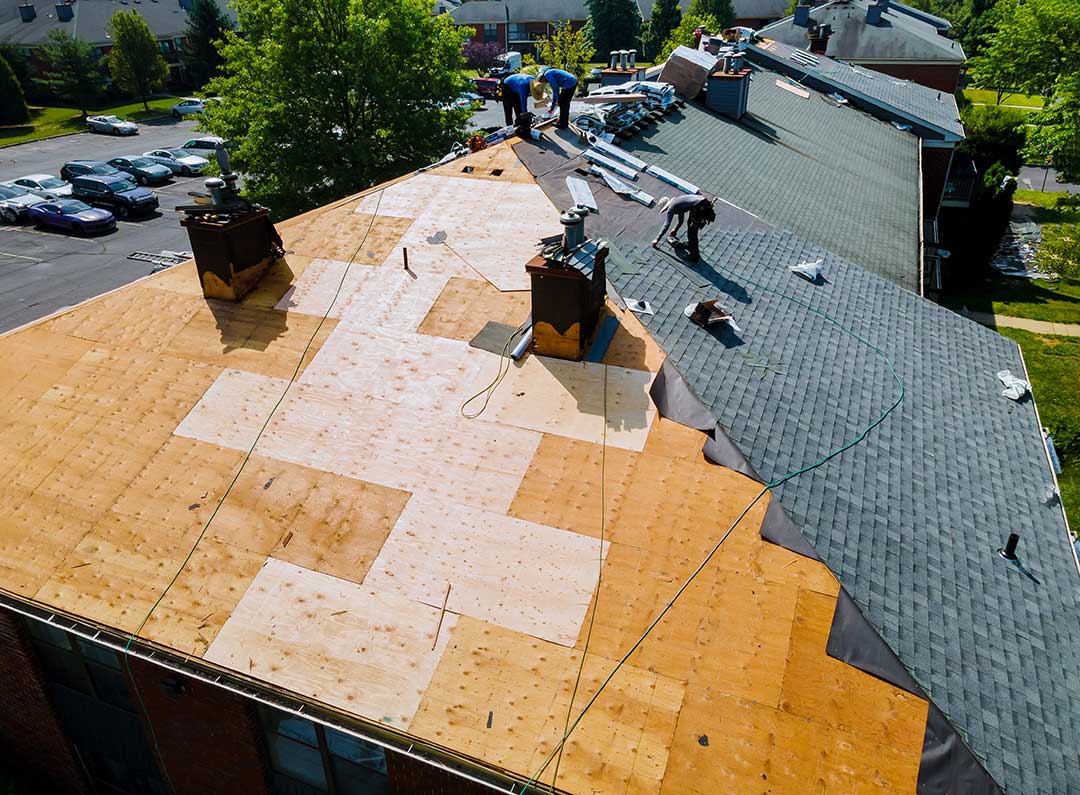
Homeowners can usually perform a meaningful inspection from the ground, attic, windows, and accessible lower roof edges. A roof-level inspection may require specialized fall protection, particularly on steep, tall, wet, or complex roofs. Safety should take priority over completing a visual checklist.
If a roof has active leaking, major sagging, exposed decking, extensive storm damage, or damaged electrical equipment nearby, the condition should be treated as hazardous rather than a routine maintenance task.
What fall maintenance is often overlooked?
Several smaller details are easy to miss:
- Check that attic access covers fit tightly and are insulated where appropriate.
- Confirm that bathroom and dryer exhaust ducts do not discharge into the attic.
- Inspect fascia and soffit areas for peeling paint, soft wood, staining, or pest entry.
- Look for water marks around upper-floor ceilings after heavy rain.
- Secure loose exterior fixtures that may strike the roof in high winds.
- Photograph existing roof conditions so changes can be compared over time.
Keep records of the inspection date, visible concerns, and any maintenance completed. This creates a useful seasonal history and can help distinguish a new issue from an older stain or repair.
A fall roof check does not need to be complicated. Clearing drainage paths, observing the roof from a safe location, checking attic moisture, and addressing visible defects before winter can help the roofing system perform more reliably through cold weather.
