

What Happens If Damaged Roofs Are Ignored?
Ignoring minor roof problems does not make them go away—often, they grow into much larger issues. In Fairport, NY, the climate’s year-round mix of snow, rain, and humidity means that even small leaks or missing shingles can let moisture into attics and ceilings. Over one or two seasons, damage accelerates and affects insulation, framing, and even electrical systems.
Water stains on ceilings and occasional drips may seem manageable, but they are often the first visible warning signs. In reality, water rarely travels in a straight line. A problem area in the roof can cause mold or rot several feet away from the original leak, confusing homeowners until more extensive damage emerges.
Can Small Roof Problems Wait Until Later?
Small roof problems might seem low-priority, especially after storms where “just a few” shingles appear loose or missing. However, even a minor breach exposes the underlayment and wood beneath, letting in wind-driven rain or snow. In Fairport, fluctuating winter temperatures and freeze-thaw cycles quickly turn small gaps into warped decking or attic leaks.
If left untreated:
- Shingles and roofing layers separate
- Moisture penetrates deeper with each precipitation cycle
- Insulation clumps and loses effectiveness
- Mold can grow unnoticed in closed attic spaces
Many residents are surprised to discover how much a few weeks—or months—of delay can cost compared to an initially simple repair.
How Does Neglect Impact Home Structure and Safety?
Delaying roof repairs creates risks that go beyond surface appearance. Moisture doesn’t just stain drywall; it supports the growth of mold spores, which spread quickly in Fairport’s humid summers. Over time, protecting framing from rot becomes impossible if water entry persists. Wood that stays wet softens and loses load-bearing strength, quietly compromising structural safety.
Inside the home, water leaks can drip onto insulation, wiring, and ceiling lights. This doesn’t just increase the risk of short circuits and fire hazards; it also leads to higher energy bills as insulation loses its R-value—especially important in a region with cold winters and warm summers.
Why Do Roof Problems Worsen During Fairport’s Changing Seasons?
Fairport’s weather contributes uniquely to roof deterioration. Winters are marked by persistent snow, and as snow melts or refreezes, ice dams commonly form along roof edges. An unrepaired leak allows meltwater to back up under shingles, spreading rot. The city’s humid summers speed up shingle blistering and can encourage algae or lichen growth on damp roof surfaces.
Periodic windstorms can lift already-loose shingles further or blow debris into weak spots, creating sudden gaps that weren’t present at the season’s start. Homes surrounded by tall trees are also at risk for accumulating leaf debris, which holds moisture against the roof and clogs gutters—further amplifying water-related threats.
What Are the Financial Consequences of Delaying Repairs?
Postponing minor fixes can lead to major repairs—or even early roof replacement. What starts as an inexpensive solution to a lifted shingle might, by next season, require patching underlayment, replacing insulation, or correcting mold damage inside walls. Common costs of neglect include:
- Replacing damaged framing and sheathing
- Attic and wall mold remediation
- Insulation removal and replacement
- Water-damaged ceiling and drywall repair
Home insurance sometimes covers “sudden and accidental” damage but often denies claims when a problem resulted from long-term neglect. Many Fairport residents discover this too late, only after filing a claim for interior water damage. Prevention and prompt maintenance are much less costly.
Do Delayed Repairs Affect Home Value or Homeowner Responsibilities?
Yes—the effects of persistent roof problems extend to home sales, appraisals, and neighborhood standards. Home inspectors in the area are trained to spot signs of past or ongoing roof leaks. A home with water stains, visible mold, or damaged decking might deter buyers or result in a lower appraisal, impacting resale plans even years later.
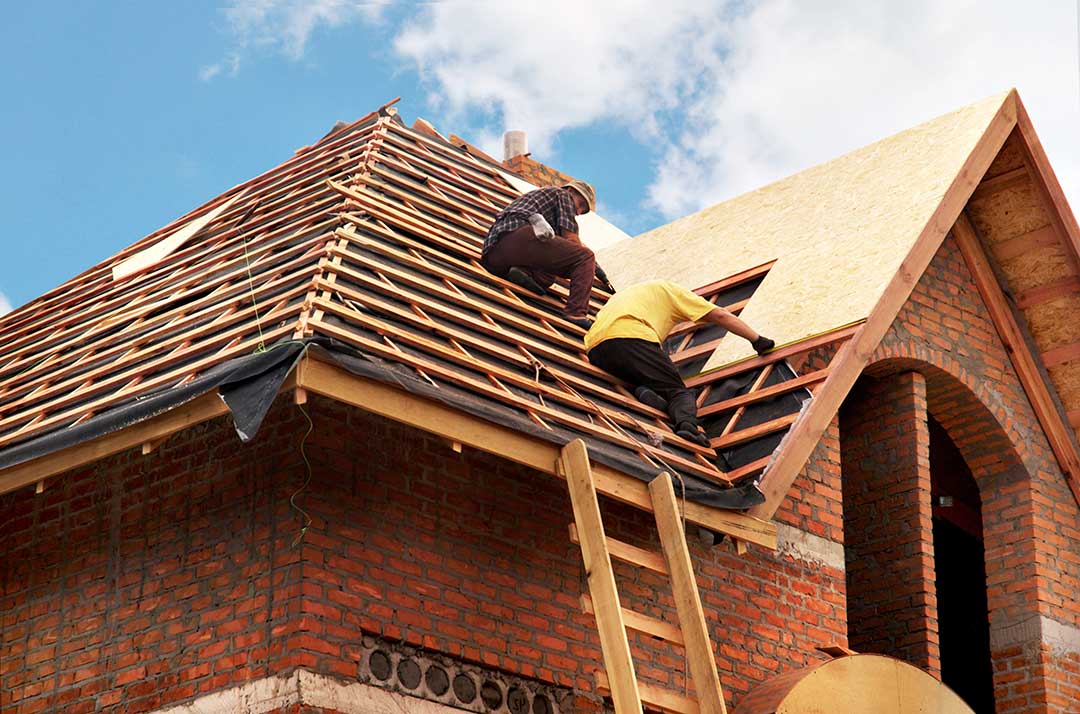
For rental properties, landlords must provide a safe, habitable living environment per local housing codes. Routine inspections and repairs are not just best practices but required maintenance responsibilities; ignoring these issues may result in code violations or legal complaints.
What Roof Issues Are Most Commonly Overlooked Locally?
Local residents often underestimate the effects of:
- Ice dam formation at eaves and valleys in winter
- Small punctures from fallen branches or squirrels
- Curling or cracked shingles after a storm
- Moss or algae buildup on shaded north-facing roofs
These issues frequently go unnoticed from the ground but can accelerate roof breakdown, especially when combined with Fairport’s precipitation patterns and seasonal debris.
What Should Homeowners Watch For Between Full Inspections?
Early detection prevents escalation. Check regularly for:
- Granules from shingles accumulating in gutters or downspouts
- Interior signs like peeling paint, new wall stains, or a musty smell in the attic
- Visible sagging areas on the roofline
- Unusual cold spots on upper floors—often linked to wet insulation
Addressing these signs quickly protects both the house and its occupants—while reducing overall costs and inconvenience from larger, preventable issues.
