
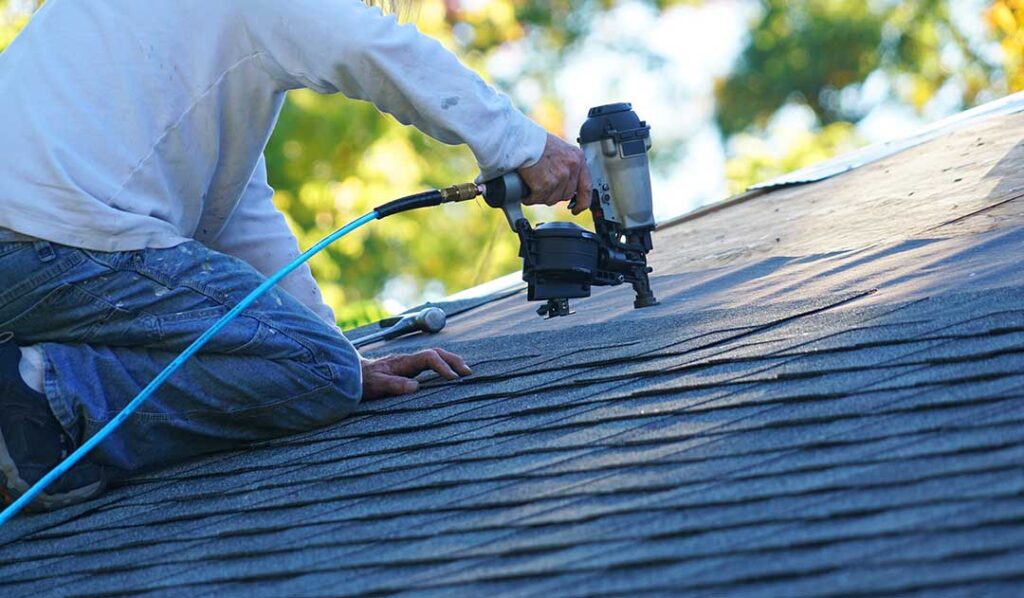
Why Does Roof Debris Need Prompt Removal?
Leaves, branches, and other debris that collect on roofs in Fairport, NY can trap moisture, block drainage, and cause gradual deterioration of roofing materials. If left unattended, debris can lead to leaks, ice dams, or even mold growth. In the community’s variable climate—where humid summers and snowy winters cycle rapidly—keeping rooftops clean is crucial for protecting your home's integrity and energy efficiency.
What Types of Debris Accumulate Most on Local Roofs?
Roofs in Fairport often gather:
- Fallen leaves, especially in autumn due to abundant mature trees
- Pine needles and small branches from local evergreens
- Seed pods, acorns, or maple samaras (helicopter seeds)
- Moss or lichen, encouraged by shade and moisture
- Windblown trash, such as wrappers or plastic bags
Local homes set beneath or near large trees see the fastest buildup, but even properties with fewer trees regularly encounter airborne debris.
When is the Best Time to Clean a Roof in This Area?
The most suitable times are after major leaf drops in late autumn, and after heavy spring storms. Clearing debris before winter helps prevent ice dams and roof freeze issues; cleaning in spring or early summer ensures gutters and roof surfaces drain freely during rainy months. Avoid working when surfaces are icy, wet, or during high winds to prevent slips or falls.
How Can Homeowners Remove Debris Safely?
Homeowners can often clear light to moderate debris with careful preparation. Always start with safety:
- Choose a dry, windless day
- Use sturdy, non-slip shoes
- Wear gloves and eye protection
- Have someone aware of your activity for added safety
For most single-story homes:
1. Use a stable, properly set ladder—never stand on the roof edge if you do not feel completely secure.
2. Start by hand-removing larger branches, seed pods, or clusters of leaves. A plastic roof rake (with a telescoping handle) allows most debris to be drawn down from the ground or ladder without stepping on the roof.
3. For leaves or pine needles, use a soft-bristle broom. Sweep gently downward towards the gutters to avoid damaging shingles.
4. Blow away loose debris with a leaf blower if the roof’s pitch is mild, remembering to keep footing secure and never work near edges.
5. Inspect and clear valleys and behind chimneys, where debris tends to collect and hold moisture.
Never use pressure washers or metal rakes, as these can dislodge protective granules or lift shingles.
What About Cleaning Gutters and Downspouts?
Clogged gutters are often the root of roof issues for area households. While removing roof debris, check that all gutters and downspouts are clear:
- Scoop out clumps of leaves and twigs by hand or with a gutter scoop
- Rinse with a garden hose, ensuring water flows freely
- Inspect elbows and downspout connections, breaking up stubborn clogs with a thin rod if needed
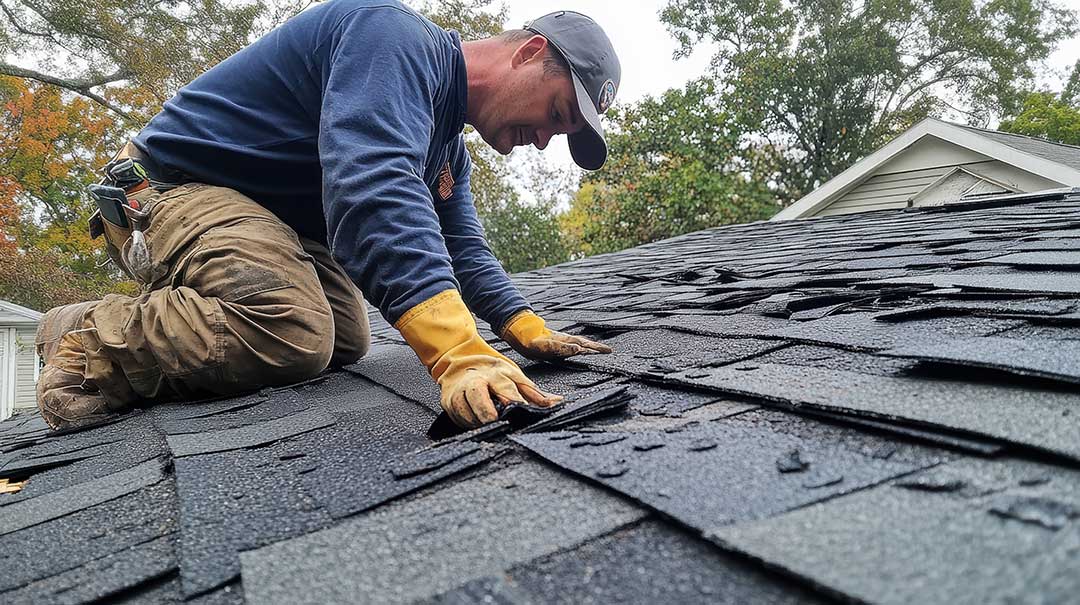
Gutter guards can reduce future build-up, especially for properties heavily shaded by trees.
Are There Risks or Situations Where Homeowners Should Not Attempt Removal?
While routine cleaning is achievable for many, certain situations in Fairport should prompt caution:
- Steeply pitched or multi-story roofs increase fall risk
- Fragile, aging shingles may be easily damaged by foot traffic
- Large volumes of wet leaves or heavy branches can hide slippery algae or roof defects
- Presence of moss, thick ice, or electrical wires near the roof
In these cases, prioritizing safety is essential. Residents should avoid working during inclement weather, or whenever health or mobility makes ladder or roof access unsafe.
How Can Residents Minimize Future Debris?
Simple preventive measures help keep roofs clearer throughout the year:
- Trim overhanging branches at least 6–10 feet back from the roof where possible (following any local ordinances)
- Regularly rake and remove yard leaves to reduce wind-blown accumulation
- Check roof and gutter condition every spring and autumn and after major storms
- Monitor attic ventilation—trapped moisture can worsen moss or lichen growth
Proper care not only keeps roofs clean but also contributes to household longevity and curb appeal across the community.
