
Skylights can brighten a home and provide ventilation, but they also create an opening in the roof that must remain watertight through snow, rain, ice, wind, and repeated temperature changes. In Fairport, NY, those seasonal conditions make skylight design, flashing, drainage, and maintenance especially important.
A skylight does not automatically shorten a roof’s life. The main risks come from poor installation, aging seals, blocked drainage paths, and differences between the skylight’s expected service life and the surrounding roofing materials.
Do skylights make a roof more likely to leak?
Yes, a skylight adds a potential leak location, but a properly designed and installed skylight should not routinely leak. Most problems develop around the frame, curb, flashing, or roofing interface rather than through the glass or acrylic itself.
A roof already has many penetrations, including plumbing vents, chimneys, and ventilation components. Each penetration requires layered protection to direct water away from the opening. Skylights depend on the same principle.
Common causes of leakage include:
- Damaged or incorrectly installed step flashing
- Missing or poorly placed underlayment
- Roofing materials that do not match the skylight’s flashing system
- Sealant used as a substitute for proper metal flashing
- Debris collecting above the skylight
- Cracked glazing or deteriorated gaskets
- Ice buildup that allows water to move beneath roofing materials
A small ceiling stain may appear far from the actual source. Water can travel along roof decking, rafters, insulation, or interior finishes before becoming visible.
How do snow and ice affect skylights?
Snow itself is not always harmful, but accumulated snow increases weight and can slow drainage. Ice dams are a greater concern because they can trap melting water above the lower edge of the skylight.
During winter weather, heat escaping through the roof can melt snow from below. If the meltwater reaches a colder roof edge, it may refreeze and form an ice dam. Water can then back up beneath shingles or around vulnerable flashing.
Skylights can contribute to this problem when they:
- Have limited insulation around the frame
- Are located on a low-slope section of roof
- Sit below a roof area where snow naturally collects
- Are surrounded by uneven roofing or obstructed drainage paths
- Have interior shades or coverings that trap warm air against the glazing
Proper attic insulation and air sealing reduce heat loss around the skylight. Roof ventilation also helps moderate roof temperatures, although ventilation alone cannot correct every ice-dam condition.
After a major snowstorm, residents should avoid climbing onto a roof to clear snow unless they are trained and equipped for the hazard. Improper shoveling can damage shingles, flashing, or the skylight itself.
Can freeze-thaw cycles damage a skylight?
Repeated freezing and thawing can stress both roofing materials and skylight components. Water expands when it freezes, and small gaps around flashing, fasteners, or deteriorated seals can become larger over time.
The greatest risk is not usually one cold day. It is the repeated transition between wet, frozen, and thawed conditions. In a northern climate, these cycles can affect:
- Metal flashing joints
- Sealants and gaskets
- Acrylic domes
- Roofing cement or patch materials
- Shingle edges around the skylight
- Wood framing exposed to moisture
A skylight may continue to appear clear and intact while the surrounding flashing is aging. For that reason, a visual inspection should include the roofing materials above and beside the unit, not just the interior glass.
Does a skylight affect roof ventilation?
A skylight does not replace roof ventilation. It is a window or glazed roof opening, not a ventilation component unless it is specifically designed to open and provide airflow.
Ventilation concerns can arise when a skylight is installed in a way that interrupts existing airflow channels. Roof insulation should not block soffit-to-ridge ventilation paths, and insulation should be carefully fitted around the skylight frame without compressing or leaving large gaps.
A venting skylight may improve indoor air movement when weather permits, but opening it during rain, high humidity, or severe cold can create condensation and moisture problems. Any operable unit should close fully and have functioning hardware, seals, and insect screens.
How can homeowners tell whether a skylight is causing a problem?
Interior signs are often the first clue. Look for:
- Brown or yellow ceiling stains
- Bubbling paint or peeling drywall
- Damp trim around the skylight
- Musty odors
- Condensation between panes
- Drafts near the frame
- Warped wood or soft interior surfaces
- Frost forming around the interior edge during cold weather
Condensation is not always a roof leak. Indoor humidity can collect on cold glass, particularly in bedrooms, kitchens, and bathrooms. However, persistent condensation between sealed panes may indicate failed glazing seals, while moisture appearing after rain or snowmelt points more strongly toward an exterior water-entry problem.
The timing of the moisture can help narrow the cause. Water appearing only after wind-driven rain may indicate flashing or sealant problems. Moisture that develops during very cold weather may relate to indoor humidity, air leakage, or insufficient insulation.
Should a skylight be replaced when the roof is replaced?
Often, replacing an older skylight during a roof replacement is worth considering, but the decision depends on the unit’s condition, age, design, and compatibility with the new roofing system.
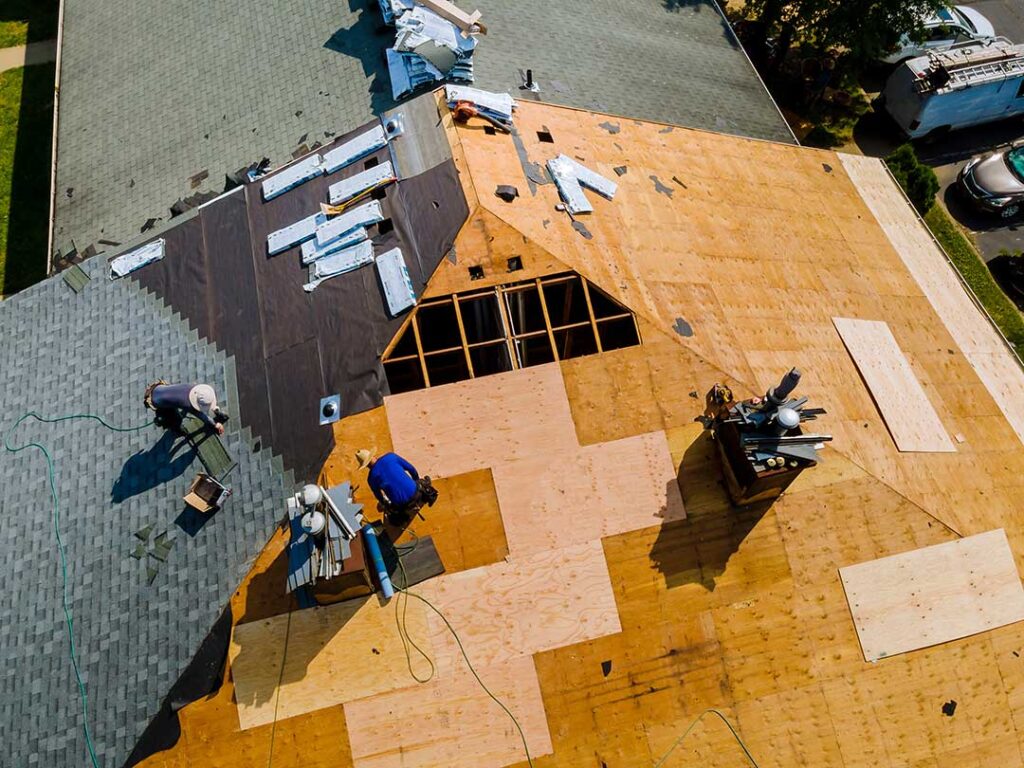
Replacing the roof while leaving a deteriorated skylight in place can create an uneven service-life problem. The new roof may last for many years, while the older skylight may soon need to be removed, disrupting nearby roofing.
Replacement deserves closer consideration when:
- The glazing is cracked, yellowed, or cloudy
- The frame is warped or corroded
- The unit has a history of recurring leaks
- The flashing system is obsolete or difficult to repair
- Interior finishes around the skylight show repeated moisture damage
- The skylight is no longer compatible with the roof’s slope or roofing material
A roof replacement does not automatically correct a defective skylight. New shingles placed around an old, failing frame may improve appearance temporarily but leave the underlying weakness unchanged.
What maintenance does a skylight need?
Skylight maintenance is mainly about keeping water moving away from the opening and identifying small problems before they affect the roof structure.
From the ground, homeowners can look for missing shingles, lifted flashing, debris, or moss collecting above the skylight. Interior checks are useful after heavy rain, thawing weather, and strong wind.
Keep nearby gutters and roof drainage paths clear, because backed-up water can increase stress around any roof opening. Trim branches that rub against the roof or drop heavy debris, while avoiding pressure-washing or abrasive cleaning methods that can damage glazing.
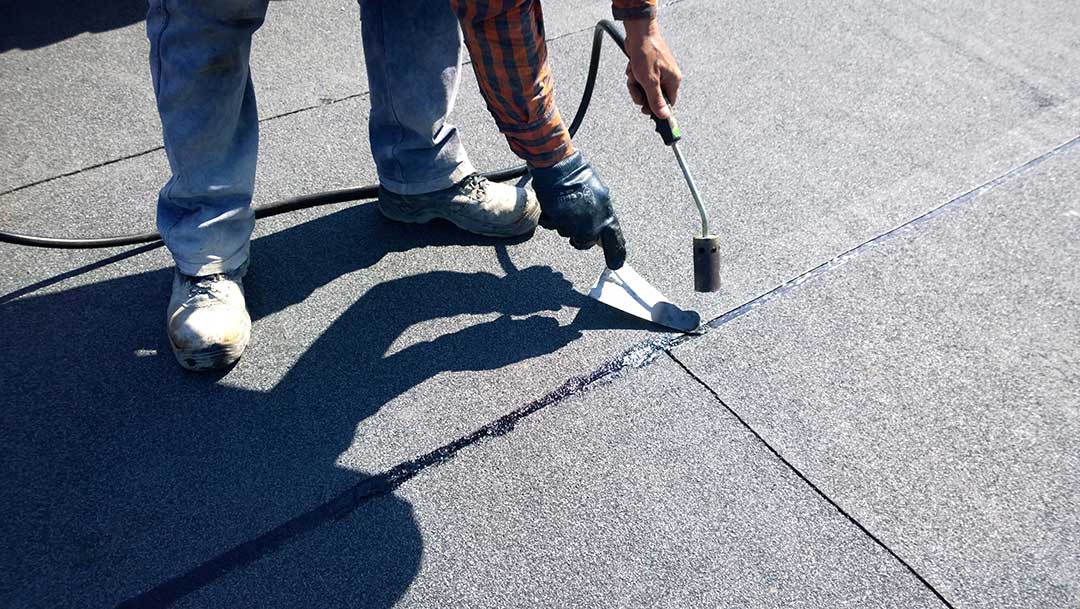
A skylight should not be caulked repeatedly as a routine repair. Caulk can hide the source of a leak and may fail under temperature changes. Proper diagnosis usually requires examining the flashing, underlayment, surrounding roofing, and interior moisture conditions.
How should skylights be considered in a Fairport home?
Homes in Fairport may experience snow accumulation, strong seasonal temperature swings, wind-driven rain, and freeze-thaw conditions. Those factors make roof openings more dependent on sound flashing and effective drainage than on sealant alone.
The most durable skylight installations generally share several characteristics:
- A design suited to the roof slope
- Flashing matched to the skylight and roofing materials
- Continuous protection beneath the visible flashing
- Adequate insulation and air sealing
- Clear drainage paths above and beside the unit
- Regular observation from the attic and interior
- Prompt attention to stains, drafts, or recurring condensation
A skylight can be a reliable part of a roof when it is treated as a complete roofing assembly rather than simply as a window set into the roof. Its condition, flashing, insulation, drainage, and surrounding shingles all affect whether it remains an asset or becomes a recurring source of moisture problems.
