
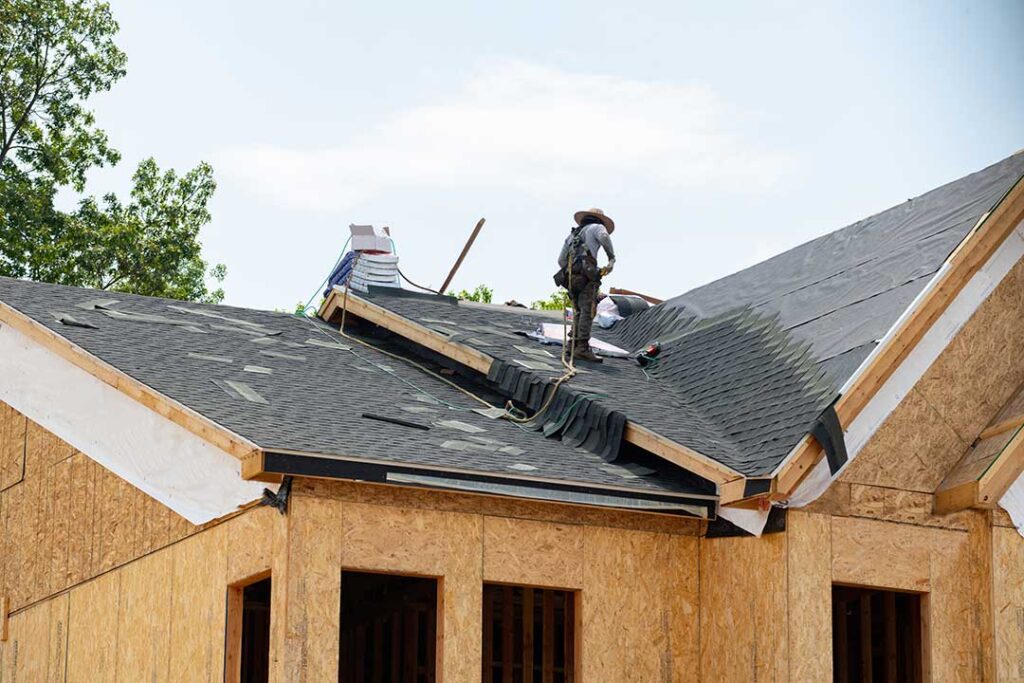
How Does Sunlight Affect a Roof in Fairport, NY?
Consistent sunlight can have long-term effects on roofs in Fairport, NY, leading to gradual wear and reduced lifespan. While residents in the area experience a mix of cloudy and sunny days, summer months often bring extended periods of direct solar exposure that can be tough on roofing materials.
Roofs are designed to withstand weather, but the combination of UV rays, heat, and local seasonal cycles means shingles and other roofing components are under constant stress. The impact is often subtle at first—fading, minor curling, or granule loss in asphalt shingles, for example—but over time, these can turn into leaks, insulation problems, or the need for premature replacement.
What Specific Damage Does Sun Exposure Cause?
Sunlight primarily affects roofs through both ultraviolet (UV) radiation and heat. In Fairport’s climate, the consequences include:
- Fading and Discoloration: Shingles or tiles gradually lose their color due to constant UV exposure, which is especially noticeable on south-facing slopes that receive the most direct sunlight.
- Brittleness and Cracking: Prolonged heat and UV rays can dry out asphalt and wood, making them brittle. This can lead to cracking, splitting, and eventual loss of protective waterproofing.
- Granule Loss (Asphalt Shingles): Shingle granules help shield against UV rays. Over time, sun exposure causes these granules to loosen and wash away, leaving underlying materials more vulnerable.
- Warping and Curling: Heat can cause some roofing materials to expand and contract. Repeated cycles, especially after summer heat waves followed by cooler nights, may warp shingles or tiles and lead to lifted edges.
- Sealant Failure: Roof sealants and adhesives can degrade with constant sun, resulting in loose flashing, exposed fasteners, or separated seams—points where leaks may start.
Do Solar UV Rays Affect All Roofing Materials the Same Way?
All roofing materials are affected by the sun, but some are more resistant than others. Here’s how UV and heat typically interact with common materials in the area:
- Asphalt Shingles: Most common locally; susceptible to granule loss, curling, and fading.
- Wood Shakes/Shingles: Can dry out, crack, and become brittle with sun exposure. Color fades to a silvery gray over time, which some homeowners prefer.
- Metal Roofing: Tends to reflect much of the sun’s energy, but painted finishes can fade or chalk. Extreme heat may cause subtle expansion and contraction noises but usually does not affect structural performance.
- Tile and Slate: Durable against UV but may experience color fading. Underlayment beneath these heavy materials can still degrade with heat.
Homeowners often assume all dark-colored roofs absorb more heat and therefore wear faster, but the choice of material, ventilation, and quality of installation make a bigger difference than color alone.
How Can Fairport Residents Reduce Sun Damage to Their Roof?
Preventing sun-related roof damage in Fairport involves more than just the choice of roofing material. A few practical steps area homeowners can consider:
- Proper Attic Ventilation: Allows heat to escape, reducing thermal stress on shingles and underlayment. Good airflow can also improve overall indoor comfort.
- Quality Underlayment: Selecting top-grade underlayment beneath the primary roofing can help buffer some effects of heat and UV.
- Regular Inspections: Catching signs of wear early, such as missing granules or cracked shingles, can prevent small problems from escalating.
- Prompt Repair of Damaged Areas: Addressing minor issues caused by sun exposure keeps moisture out and extends roof performance.
- Consider Surface Treatments: Some roofs can be treated with reflective coatings or UV-resistant sealants. Not every material is suitable, so check the manufacturer’s recommendations before application.
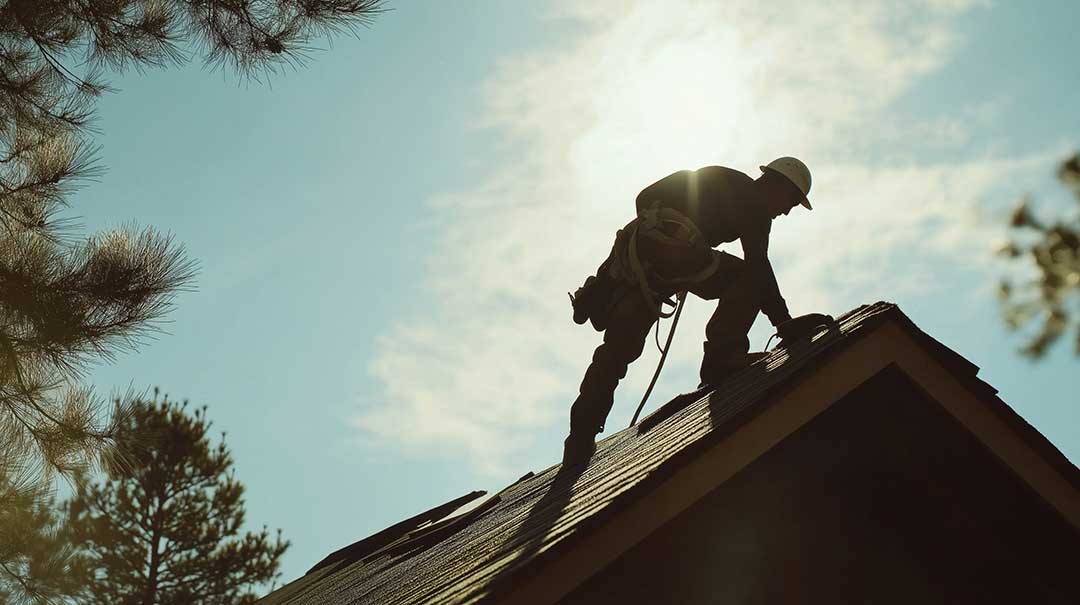
Does Sun Exposure Shorten the Roof’s Lifespan in Fairport?
Extended sunlight exposure is a factor that can shorten a roof’s usable life, but the extent depends on the material, ventilation, and ongoing maintenance. Most roofs in the city are rated for 20-40 years, but significant sun-related wear may show up after 10-15 years without proper care.
Summer months with longer daylight hours and high temperatures accelerate the breakdown process. However, Fairport’s seasonal cycle—with fall and winter bringing cooler, cloudier weather—means local roofs face frequent transitions between hot and cooler conditions. This thermal cycling is a significant factor in shingle cracking and movement in other materials.
What Are Common Misconceptions About Sun and Roofing in the Area?
There’s a common belief among local residents that only roofs in warmer, sunnier climates have to worry about sun damage. While Fairport experiences its fair share of overcast days, UV rays penetrate clouds, and temperature swings can still stress roofing.
Some also assume modern shingles or tiles are fully immune to sun effects, but even recent products need regular inspection—especially after especially hot or dry summers.
Lastly, many overlook the importance of attic insulation and ventilation. Keeping the air under the roof cool is one of the most effective, and frequently missed, ways to reduce temperature-related shingle failure.
Are There Signs That Point to Sun-Induced Roof Issues?
Residents often start to notice sun damage through visual cues during seasonal maintenance:
- Faded or uneven color patches, especially on south- and west-facing roof sections
- Loosening granules in gutters or at downspout exits
- Curling or cupping of shingle edges
- Cracks, splits, or exposed underlayment where shingles or tiles have shifted
Addressing these warning signs early can help prevent water intrusion and more extensive repairs down the line.
